
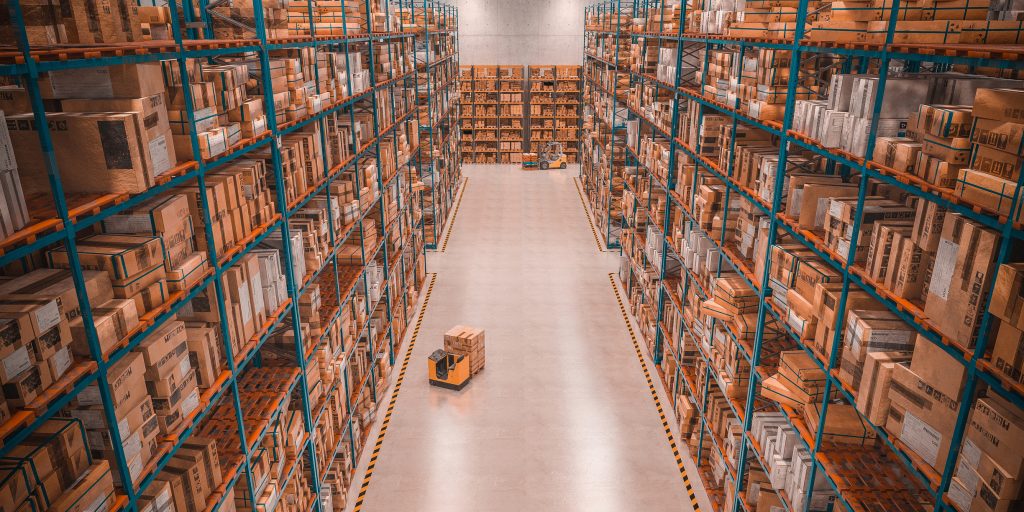
While today’s warehouses look vastly different from those of 20 years ago—with robotics, AI, and automation transforming operations—one priority remains unchanged: worker safety. As technology advances, so must safety protocols to protect employees in increasingly complex work environments.
Creating a Strong Safety Culture
According to Brian C. Neuwirth, President of UNEX Manufacturing, Inc., a true safety culture is foundational to operational success. Companies that prioritize safety see better compliance, fewer accidents, and higher employee morale. Building this culture requires:
✔ Consistency – Safety training should be ongoing, not just an annual checkbox.
✔ Continuity – All workers, whether full-time, part-time, or temporary, must follow the same safety standards.
✔ Commitment – A dedicated safety manager ensures protocols are enforced and updated regularly.
At NFI Industries, safety is a core corporate value. Stephen Truono, Senior VP of Enterprise Risk Management, explains that safety is directly tied to performance and talent retention: “By leading with safety, employees know their well-being comes first.”
Behavior-Based Safety: Engaging Employees
NFI employs behavior-based safety training, encouraging workers to take an active role in hazard prevention. This approach includes:
- Recognizing safe behaviors – Positive reinforcement for following protocols.
- Peer coaching – Employees guide each other on best practices.
- Employee feedback – Workers suggest safety improvements, such as ergonomic adjustments or better equipment placement.
“When associates see their ideas implemented, they feel valued and more invested in safety,” says Truono.
Standardization & Process Improvement
Neuwirth emphasizes that recurring safety issues often stem from process gaps, not human error. Companies should:
- Analyze high-risk areas (e.g., lifting, forklift zones).
- Implement engineering controls (conveyors, lift assists, better lighting).
- Adopt ISO standards for documented, repeatable safety procedures.
Technology’s Role in Safety
1. Material Handling Innovations
- Automated lifts & conveyors reduce strain injuries.
- RFID tags alert workers to hazards near automated equipment.
2. Robotics & Automation
- GPS-guided robots minimize manual picking risks.
- Predictable robotic movements lower accident rates compared to human-operated machinery.
3. Next-Gen Training Methods
- Micro-training – Bite-sized, mobile-friendly safety lessons.
- Virtual Reality (VR) – Immersive simulations for hazard awareness.
The Challenge of Temporary Workers
Seasonal hires require the same rigorous training as permanent staff. While staffing agencies provide basics, warehouses must reinforce site-specific protocols to ensure consistency.
Conclusion: Safety in the Smart Warehouse Era
“Modern warehouses aren’t just storage spaces—they’re tech-driven environments where safety and efficiency go hand in hand,” says Truono. By combining strong safety culture, employee engagement, and cutting-edge technology, businesses can protect their workforce while optimizing performance.

Why does your tracking of a part i ordered not show any movement.